
MEDICALLY REVIEWED BY
Dr. Batul Patel (Dermatologist)
Medical Director – The Bombay Skin Clinic
Dr. Batul Patel is an award winning certified dermatologist, honoured as the “Dermatologist of the Year 2023” at the national level by The Economic Times. View profile
What Are Papules & Pustules | Acne Causes & Triggers | Treatment Options | Good Candidate | FAQs
What are papules and pustules in acne?
Papules and pustules are common types of inflammatory acne. They may look similar, but they are not the same.
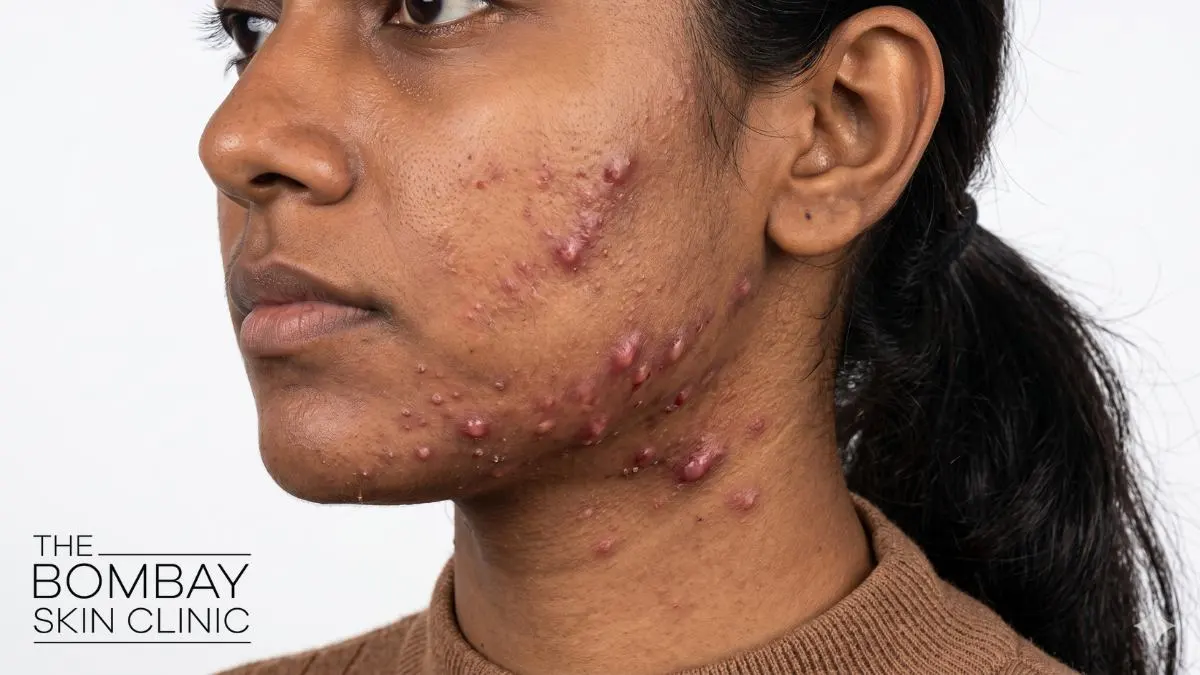
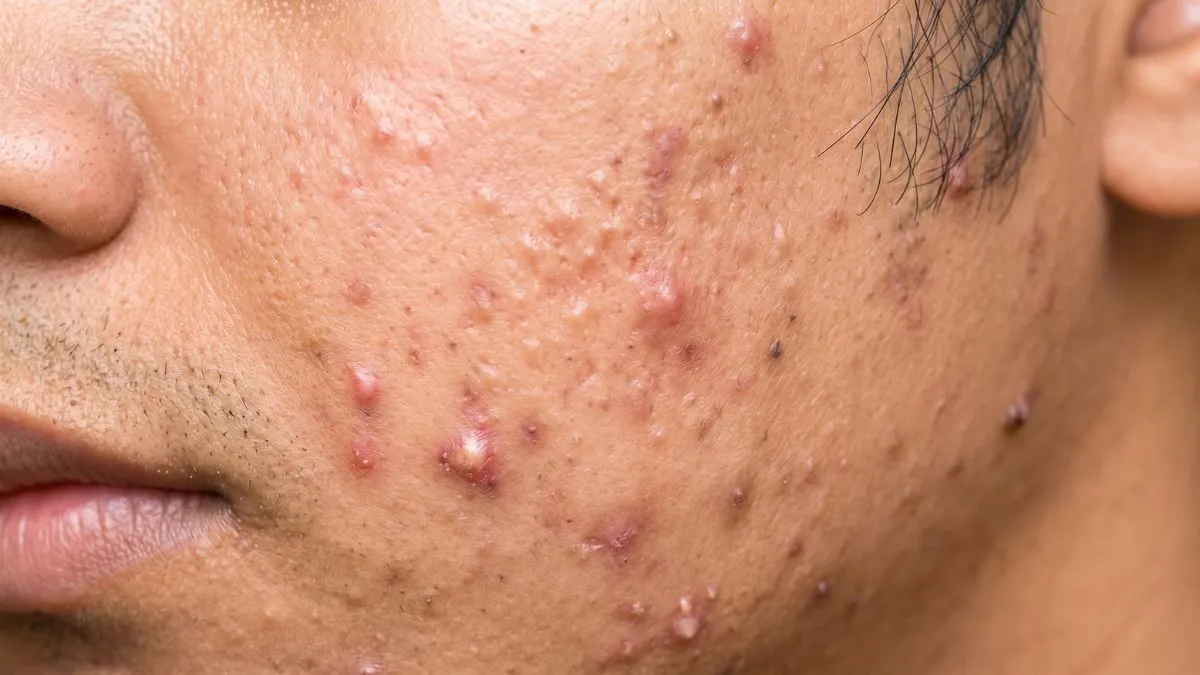
A papule is a small, red or pink, raised bump. It may feel tender, but it does not have visible pus. A pustule is an inflamed bump with a white or yellow pus-filled tip. Medical sources describe pustules as papules that have developed pus at the surface. [1]
At Acne Freedom Clinic in Mumbai, many patients call both “pimples”. That is understandable. But identifying the acne type helps us plan treatment more accurately and reduce the risk of repeated inflammation, dark marks and scars.
Papules vs pustules: What is the main difference?
The main difference is pus.
Papules are red, raised bumps without a pus head. Pustules are red, raised bumps with a visible white or yellow centre. Both can appear on the face, jawline, forehead, chest, back and shoulders.
- Red, sore bump without pus: more likely to be a papule.
- Red bump with a white or yellow tip: more likely to be a pustule.
- Deep, painful lump under the skin: may be nodular or cystic acne.
This difference matters because active inflammatory acne needs a structured plan. Many patients squeeze or pick at both types. Squeezing pushes bacteria deeper, increases redness and significantly raises the risk of dark marks and pitted scars.
What causes papules and pustules to form?
Acne starts inside the pilosebaceous unit, which includes the hair follicle and oil gland. When excess oil and dead skin cells collect inside a pore, it can become blocked. If the pore becomes irritated or inflamed, papules and pustules may form. [2]
This means acne is not simply a hygiene issue. Scrubbing the face harder usually does not solve papular or pustular acne. In many cases, it can damage the skin barrier and increase redness.
Bacteria, hormones and skin sensitivity
Cutibacterium acnes, oil gland activity, hormones, inflammation and genetic tendency can all play a role in acne. [3] Some patients flare before periods, during stress, after gym sessions, or after using heavy skincare and makeup.
For others, acne continues despite basic skincare. That is when a dermatologist-led acne assessment is helpful.
Heat, sweat, humidity and Mumbai lifestyle triggers
Mumbai weather can make acne feel more stubborn. Heat, humidity, sweat, pollution, helmets, masks and long commutes can irritate acne-prone skin.
Common local triggers include:
- Heavy sunscreen or moisturiser on oily skin.
- Sweat drying on the face after travel or exercise.
- Hair oil touching the forehead, temples or back.
- Picking, squeezing or touching pimples repeatedly.
- Using multiple active ingredients without guidance.
What are the advantages of treating papular and pustular acne early?
Early treatment of pimples on the face and body helps reduce the risk of long-term skin damage. Papules and pustules that are inflamed repeatedly are more likely to leave dark marks and textural scars.
Treating early also means:
- Fewer active lesions at any one time.
- Lower risk of post-inflammatory hyperpigmentation.
- Control new breakouts more consistently.
- Protect the skin barrier from harsh product use.
- Replace trial-and-error skincare with a clear plan.
The aim is not overnight clearing. The aim is steady control, fewer new lesions and safer long-term skin management.
Who is eligible for papular or pustular acne treatment?
You may be suitable if
You may be suitable if you have red bumps, pus-filled pimples, painful breakouts, repeated acne marks, or acne that keeps returning despite regular skincare.
We commonly assess teenagers, adults with persistent acne, women with jawline or premenstrual acne, men with beard-area acne, and patients with face, chest, back or shoulder acne.
You may need extra medical assessment if
You may need closer assessment if you have sudden severe acne, deep painful lumps, acne with irregular periods, increased facial hair, scalp hair thinning, or acne that started after a new medicine or supplement.
Extra review may also be needed if your skin is burning, peeling or reacting to multiple products. Sometimes acne-like bumps may be folliculitis, rosacea or another condition.
Who may not be suitable for certain acne treatments?
Not every acne treatment suits every patient. Some medicines or procedures may need to be avoided during pregnancy, breastfeeding or in patients with certain health conditions. This is always reviewed during consultation.
How are papules and pustules treated at Acne Freedom Clinic, Mumbai?
Treatment is planned based on acne type, severity, skin sensitivity and your history with previous products or medicines. There is no single plan that suits everyone.
Prescription skincare for mild to moderate acne
Topical treatment is often the base of acne care. Guidelines commonly include benzoyl peroxide, topical retinoids, azelaic acid and topical antibiotics in selected combinations. [5]
The exact plan depends on acne severity and skin tolerance. Some patients need barrier repair first. Others can begin active acne treatment more directly. Mild dryness, peeling or tightness may happen, so the plan should be introduced carefully. Benzoyl peroxide for acne in Mumbai is one commonly used topical option in prescribed regimens.
Oral medicines when acne is moderate, severe or persistent
Oral medicines may be considered when papules and pustules are widespread, painful, recurrent, leaving marks, or not improving with topical care. Guidelines support escalation in selected moderate to severe cases under medical supervision. [2]
The choice depends on age, severity, medical history, gender, pregnancy plans and previous response. We do not include dosing because it must be decided during consultation.
Chemical peels as supportive treatment
Chemical peels for acne in Mumbai can be a supportive option for selected acne patients. They may help with oiliness, clogged pores, post-acne marks and texture when used appropriately.
For papules and pustules, peels are an adjunct, not a standalone answer for everyone. If the skin is very inflamed or sensitive, the doctor may calm active acne first. You can also learn more about chemical peels for acne and how they support clearer skin.
In-clinic acne procedures for selected cases
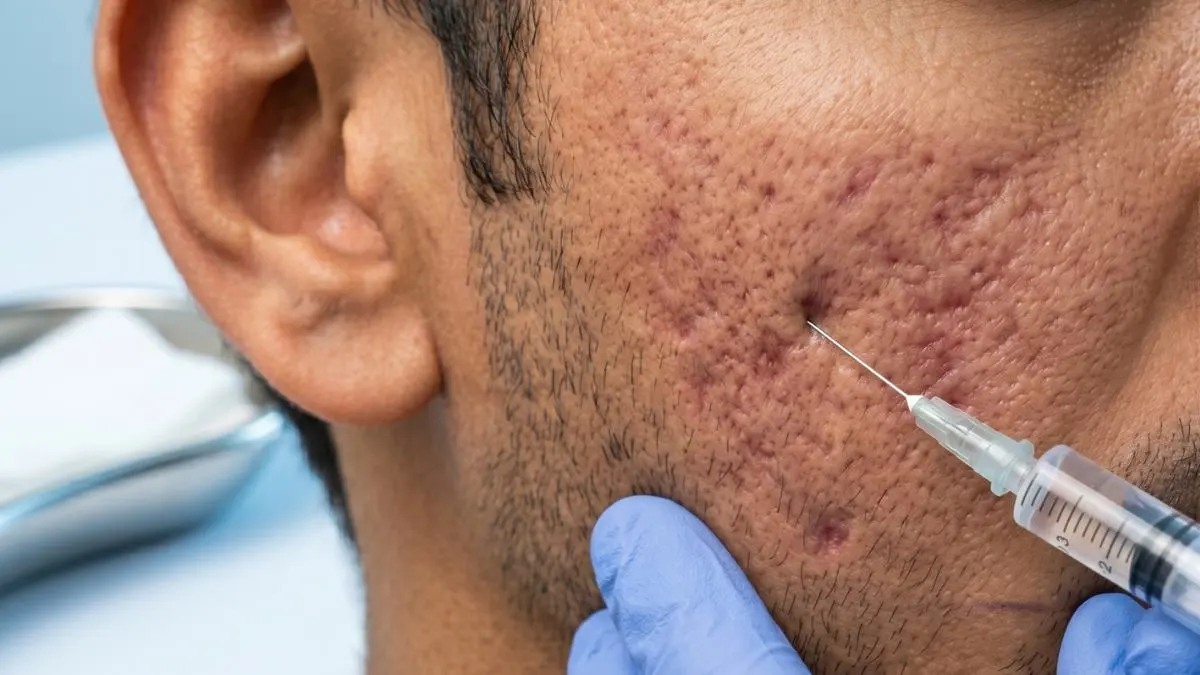
Some patients may benefit from in-clinic procedures along with medical treatment. These may include acne clean-up protocols, comedone extraction when suitable, selected light-based or energy-based options, and supportive skin treatments.
Not every patient needs procedures. The doctor will explain which options are suitable and why, based on your skin and acne pattern.
What results and timeline should you expect?
Most patients begin to notice early improvement within 4 to 8 weeks of starting a structured plan. Significant clearing typically takes 3 to 6 months. [4]
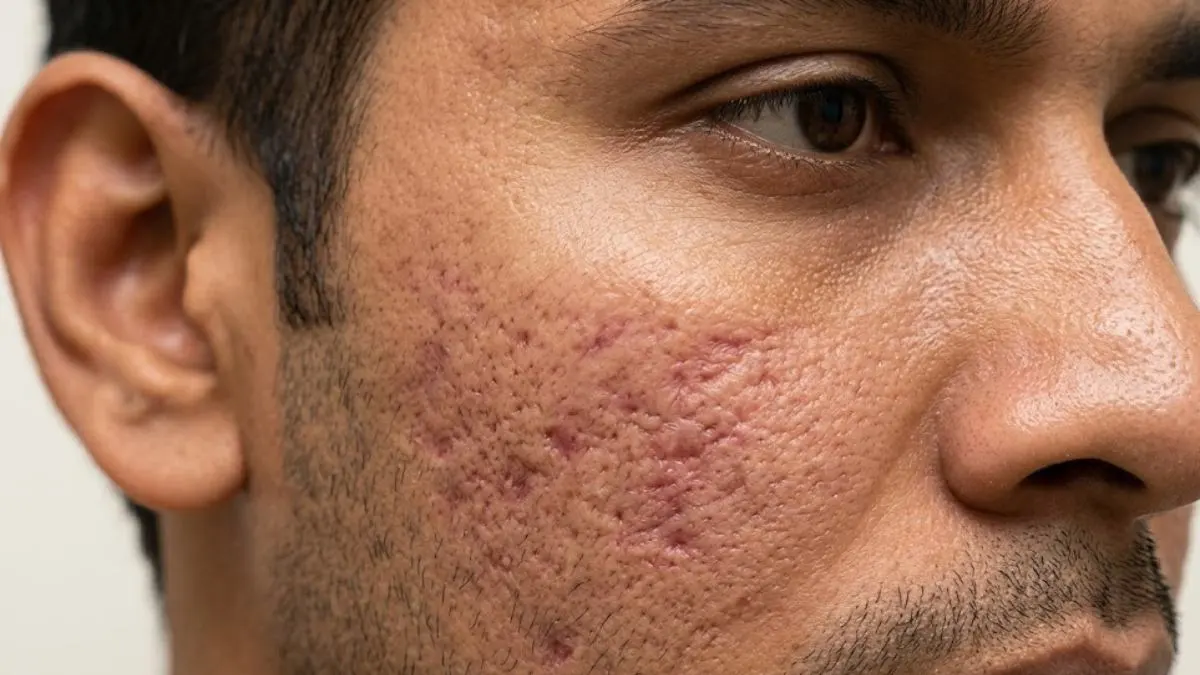
Marks and scars need different timelines. Dark marks may fade gradually with sunscreen, topical care and supportive procedures. Textural scars may need separate treatment after acne is stable.
What downtime should you expect after acne treatment?
Downtime depends on the treatment. A prescription skincare plan usually has no social downtime, though dryness or peeling can happen. Supportive peels or in-clinic treatments may cause temporary redness, mild dryness, flaking or sensitivity.
Most patients can continue work or college. However, strong sun exposure, waxing, harsh facials, scrubs and new actives may need to be avoided around certain procedures.
We explain aftercare before you leave the clinic, especially because Mumbai heat, sweat and travel can irritate freshly treated skin.
Papules vs pustules vs other acne types
Papules vs pustules
Papules are red, raised, inflamed bumps without visible pus. Pustules have a pus-filled tip. Both are inflammatory acne lesions and often occur together.
Papules vs whiteheads
Whiteheads are closed clogged pores. They are usually not red or painful unless they become inflamed. Papules are inflamed red bumps.
Pustules vs cystic acne
Pustules are on or near the skin surface. Cystic acne is deep, painful, nodular and does not have a visible surface tip. Cysts carry a higher risk of scarring and usually need oral treatment.
Treating active papules helps reduce new marks
Treating active papules helps reduce new marks. Treating marks without controlling new acne can feel frustrating.
Which treatment option is better for papules and pustules?
Medicines vs peels
Medicines usually form the foundation for papules and pustules. They work on clogged pores, bacteria and inflammation. Peels may support treatment when oiliness, comedones or marks are also present.
Peels vs lasers
Peels are commonly used as supportive care for acne, oiliness and marks. Lasers and energy-based devices are considered more selectively, often for redness, pigmentation or scars.
For papules and pustules, the first question is not “which device is best?” It is “what is driving the acne?”
Active acne treatment vs acne scar treatment
Active acne treatment reduces new papules, pustules, clogged pores and inflammation. Acne scar treatment focuses on texture after acne is controlled.
We usually stabilise active acne first, then plan marks and scars in stages.
How much does papular and pustular acne treatment cost in Mumbai?
Pricing depends on acne severity, consultation type, medicines, procedures and number of sessions.
As an indicative guide, acne consultation may start from around ₹1,000 with an associate doctor and may be higher for senior dermatologist consultation. In-clinic acne treatments such as peels or supportive procedures may start from a few thousand rupees per session, depending on the protocol.
When should you see a dermatologist for papules or pustules?
You should consider seeing a dermatologist if your acne is painful, spreading, recurrent, leaving marks, affecting confidence, or not improving after basic skincare.
You should also book an assessment if you have deep lumps, sudden severe acne, acne with irregular periods, or acne that worsens after self-treatment.
At Acne Freedom Clinic in Mumbai, we help patients understand whether they have papular acne, pustular acne, mixed acne or another acne-like condition. A clear diagnosis is the first step towards a safer plan.
FAQs on papules vs pustules
Are papules and pustules the same as pimples?
Many people call both papules and pustules “pimples”. Medically, papules are red inflamed bumps without pus, while pustules have a visible pus-filled tip.
Can papules turn into pustules?
Yes. A papule can develop pus and become a pustule as inflammation progresses. This is why early treatment matters.
How long does it take to clear papular or pustular acne?
Most patients see early improvement within 4 to 8 weeks. Significant clearing typically takes longer treatment. Many patients need 6 to 12 weeks to see a clearer improvement trend.
Can papular or pustular acne leave marks?
Yes. Inflammatory acne can leave red, brown or dark marks, especially if lesions are squeezed or repeatedly inflamed. Early acne control and sunscreen can help reduce this risk.
Which is more serious, papules or pustules?
Neither is automatically more serious. Severity depends on number, pain, depth, recurrence, marks, scars and how much acne affects daily life.
Sources for the final article
1. National Institute of Arthritis and Musculoskeletal and Skin Diseases. Acne. NIAMS. https://www.niams.nih.gov/health-topics/acne
2. Reynolds RV, Yeung H, Cheng CE, et al. Guidelines of care for the management of acne vulgaris. Journal of the American Academy of Dermatology. 2024. https://www.jaad.org/article/S0190-9622(23)03389-3/fulltext
3. Sutaria AH, Masood S, Schlessinger J. Acne Vulgaris. StatPearls. NCBI Bookshelf. https://www.ncbi.nlm.nih.gov/books/NBK459173/
4. American Academy of Dermatology Association. Acne clinical guideline. AAD. https://www.aad.org/member/clinical-quality/guidelines/acne
5. National Institute for Health and Care Excellence. Acne vulgaris: management. NICE guideline NG198. https://www.nice.org.uk/guidance/ng198
6. InformedHealth.org. Overview: Acne. NCBI Bookshelf. https://www.ncbi.nlm.nih.gov/books/NBK279211/
MEDICALLY REVIEWED BY
Dr. Batul Patel (Dermatologist)
Medical Director – The Bombay Skin Clinic
Dr. Batul Patel is an award winning certified dermatologist, honoured as the “Dermatologist of the Year 2023” at the national level by The Economic Times. View profile