
MEDICALLY REVIEWED BY
Dr. Batul Patel (Dermatologist)
Medical Director – The Bombay Skin Clinic
Dr. Batul Patel is an award winning certified dermatologist, honoured as the “Dermatologist of the Year 2023” at the national level by The Economic Times. View profile
What is benzoyl peroxide for acne?
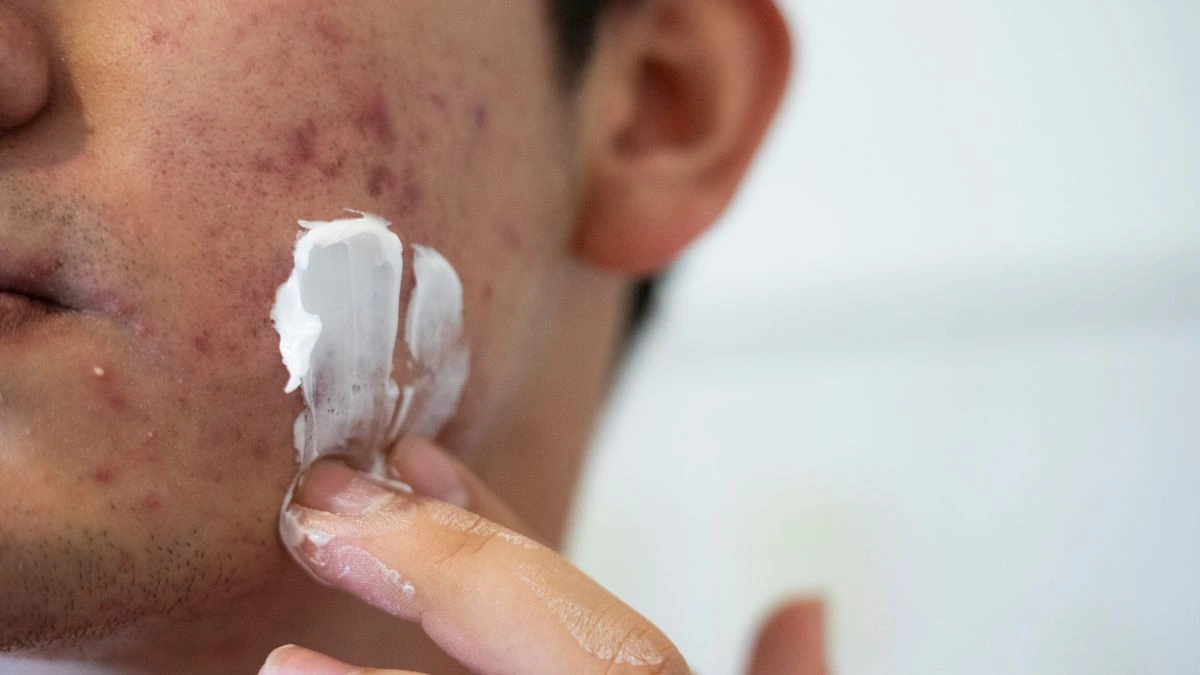
Benzoyl peroxide is a well-known topical acne ingredient used for mild to moderate breakouts. It is commonly used in washes, gels, creams, and leave-on products as part of an acne care plan.[1,2]
In practice, it is usually considered a supportive treatment for active acne, especially when pimples are inflamed. It is not the right answer for every acne pattern, which is why an in-clinic skin assessment can help decide whether it fits your skin, acne type, and tolerance level.[1,3]
How does benzoyl peroxide work on pimples?
Benzoyl peroxide works in more than one way. It helps lower acne-causing bacteria on the skin, has anti-inflammatory action, and can also help reduce clogging within pores.[1,4,5]
This matters because acne is not caused by one single factor. Oil, clogged pores, bacterial overgrowth, and inflammation can all play a role. Benzoyl peroxide mainly supports the bacterial and inflammatory side of the problem, so it often works best when the overall plan also addresses pore blockage, skin sensitivity, and triggers such as friction, cosmetics, or hormonal flares.[1,2]
What are the benefits of benzoyl peroxide for acne?
Helps reduce acne-causing bacteria
One major benefit is that it reduces Cutibacterium acnes activity on the skin. This is one reason it is often included in acne routines when red, angry pimples are part of the picture.[1,4]
Supports inflamed pimples and active breakouts
Benzoyl peroxide is often more useful for inflamed acne than for very mild texture alone. Patients with papules and pustules may find that it supports better control when used consistently and sensibly.[2,5]
Can help keep new acne lesions under control
For some people, it is used as part of a maintenance routine after the first flare settles. NICE guidance also includes benzoyl peroxide among topical options used in ongoing acne care when suitable.[2]
Works well as part of a dermatologist-led acne plan
It is often used alongside other acne treatments rather than as a stand-alone answer. This matters because combination care may target more than one acne pathway at the same time.[1,2]
Who is a good candidate for benzoyl peroxide?
Acne types that may respond better
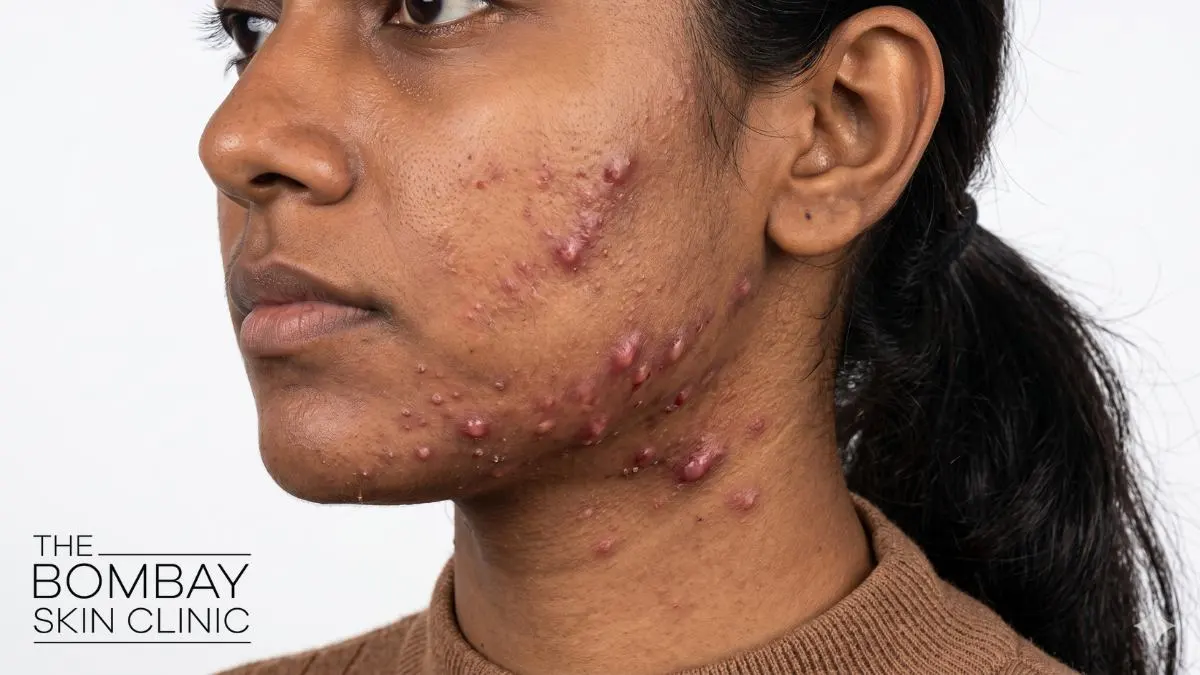
People with mild to moderate acne, especially where inflamed pimples are present, may be considered for benzoyl peroxide. It may also be useful when acne is spread over the face, chest, or back, depending on the product format and skin tolerance.[1,3]
Skin types that may need extra caution
Oily or combination skin often tolerates benzoyl peroxide better than very dry or barrier-damaged skin. Even then, tolerance can vary widely. Mumbai weather, sweat, pollution, mask friction, and overuse of exfoliating products can make skin more reactive, so the same product may feel very different from one patient to another.
When teenagers and adults in Mumbai commonly consider it
Teenagers with recurring school or college breakouts, working professionals with stress-related flares, and adults with persistent inflammatory acne may all ask about benzoyl peroxide. In our clinic setting, it is usually considered when there are active pimples and the goal is to calm breakouts without jumping straight to more intensive options.
Who may not be the right candidate for benzoyl peroxide?
Very sensitive or easily irritated skin
If your skin already stings, burns, peels easily, or reacts to many skincare products, benzoyl peroxide may need extra caution. Irritation is one of the common reasons people stop too early.[2,3]
Broken, peeling, sunburnt, or eczema-prone skin
When the skin barrier is disrupted, benzoyl peroxide can feel harsher. Eczema-prone skin, active dermatitis, raw spots, or recently over-treated skin often need barrier repair first.
Situations where dermatologist review is better before starting
If you have severe acne, nodules, scarring, post-acne marks that are your main concern, or breakouts that are not improving, a dermatologist review is a better first step. The same applies if you are pregnant, breastfeeding, using other strong actives, or are unsure whether it is acne at all.[1,2,3]
How long does benzoyl peroxide take to show results?
Many patients look for change within the first few weeks. A small reduction in inflamed pimples may be noticed early, but meaningful improvement usually needs patience and consistency. NHS guidance states that it usually starts to work within around 4 weeks.[3]
If acne is still active after a reasonable trial, the next step is not always to push harder. Sometimes it means the acne type needs a broader plan. For example, comedonal acne, hormonal acne, deeper nodules, or acne with scarring often need a more tailored approach than benzoyl peroxide alone can provide.[1,2]
What side effects, downtime, or adjustment period should you expect?
Dryness, redness, peeling, and tightness
These are the most common issues. For many people, this is an adjustment phase rather than true harm, but the intensity matters. If the skin becomes very uncomfortable, the routine may need to be slowed, simplified, or reviewed.[2,3,4]
Purging vs irritation, how to tell the difference
Patients often ask if worsening means purging. In real life, persistent burning, scaling, soreness, or diffuse redness often points more toward irritation than a useful treatment response. If the skin feels progressively angrier rather than gradually steadier, it deserves review.
Fabric bleaching and practical everyday precautions
Benzoyl peroxide can bleach pillowcases, towels, collars, dupattas, and T-shirts. This is easy to overlook in daily life. It can also be harder to stay comfortable in hot, humid weather if the skin barrier is already stressed. Gentle cleansing, non-comedogenic moisturising, and a practical routine usually matter more than buying many extra products.[3,4]
Is benzoyl peroxide safe?
General safety under dermatologist guidance
Benzoyl peroxide has been used in acne care for many years and is widely included in guideline-based management. For the right patient, it is a reasonable and established topical option.[1,2,4]
Important contraindications and precautions
It may not suit everyone. Extra care is needed with highly sensitive skin, known allergy to the ingredient, major barrier damage, or routines already packed with irritating actives. Overuse does not usually mean better results. It more often means more irritation.[2,3]
Benzoyl peroxide vs salicylic acid, what is the difference?
These ingredients are often grouped together, but they are not the same. Benzoyl peroxide is more closely associated with reducing acne-causing bacteria and inflammation, while salicylic acid is more often thought of as a keratolytic ingredient that helps with clogged pores and surface build-up.[1,4]
That means benzoyl peroxide may be a better fit when red inflamed pimples are more prominent. Salicylic acid may suit some patients with oiliness, texture, or blackheads. In practice, the better option depends on what your acne actually looks like and how easily your skin gets irritated.
Benzoyl peroxide vs adapalene, which is better for acne?
Adapalene and benzoyl peroxide work differently, so one is not universally better. Adapalene is more focused on comedones and pore turnover, while benzoyl peroxide is stronger on the bacterial and inflammatory side. NICE includes adapalene plus benzoyl peroxide as one established acne combination, which shows how often they complement each other rather than compete.[2]
If your acne includes both clogged pores and inflamed lesions, a dermatologist may consider a plan that addresses both. If your skin is sensitive, the right sequence and tolerability strategy become especially important.
Benzoyl peroxide vs topical antibiotics, when is each considered?
Topical antibiotics may have a role in selected acne cases, but guidelines increasingly stress responsible antibiotic use. The 2024 acne guideline strongly recommends benzoyl peroxide as part of acne care and supports combining antibiotics with benzoyl peroxide rather than relying on antibiotic monotherapy, partly to help reduce resistance concerns.[1]
For patients, the practical takeaway is simple. If acne is lingering or repeatedly flaring, it is better to get a structured treatment plan than to keep switching random spot products.
Can benzoyl peroxide be combined with other acne treatments?
Combination plans a dermatologist may consider
Yes, combination care is common in acne management. Depending on the acne pattern, benzoyl peroxide may be paired with another topical, prescription medicine, or clinic-based support. The aim is to target more than one acne driver without overwhelming the skin.[1,2]
Why self-mixing too many actives can backfire?
Many patients in Mumbai come in using a cleanser, scrub, peel pad, serum, spot gel, and sunscreen all at once. That often backfires. A crowded routine can weaken the skin barrier, increase redness, and make it harder to tell what is helping and what is harming. Acne care usually does better with a simpler, more deliberate plan.
When should you see a dermatologist instead of trying benzoyl peroxide alone?
You should consider a dermatologist review if acne is painful, deep, widespread, scarring, repeatedly returning, or not improving after a reasonable trial. It is also worth booking an assessment if you are unsure whether the bumps are acne, folliculitis, rosacea-like inflammation, or product-related eruptions.
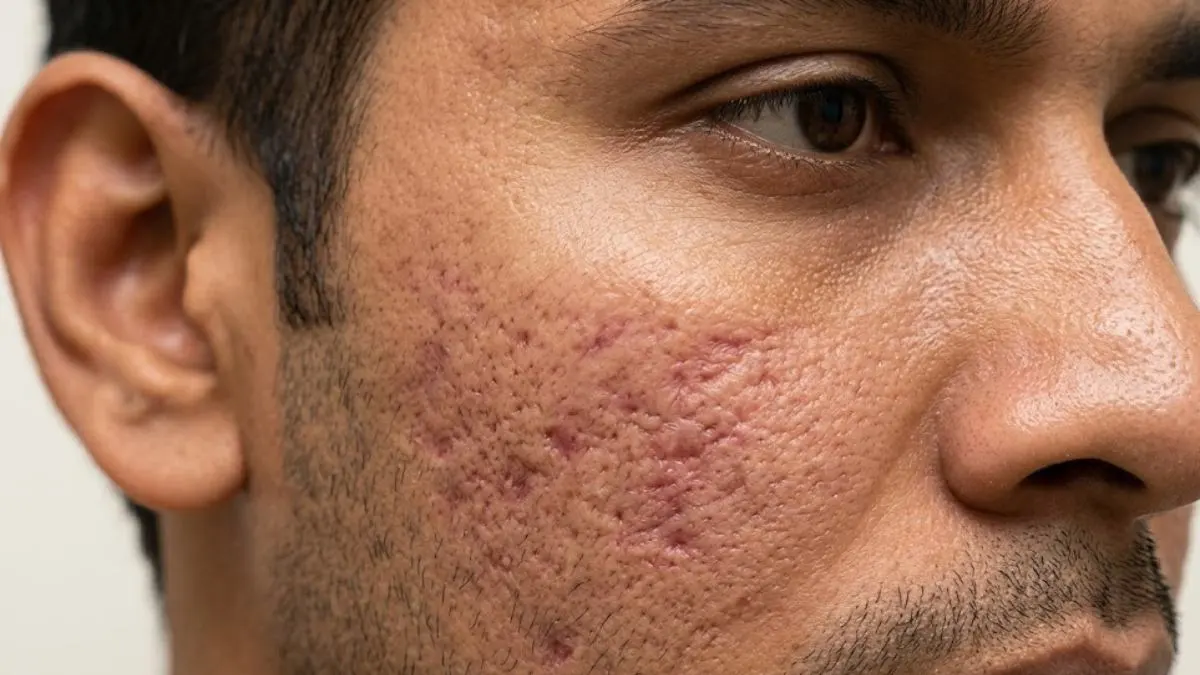
Early review can matter in acne because prolonged uncontrolled inflammation can increase the chance of marks and scarring. NICE guidance specifically notes that scarring risk rises with acne severity and duration.[2]
How we approach acne treatment at Acne Freedom Clinic, Mumbai
Dermatologist-led assessment
At Acne Freedom Clinic, we start by looking at the actual acne pattern, skin sensitivity, current routine, and whether the main issue is active pimples, oiliness, marks, or scars. This helps us decide whether a topical support option like benzoyl peroxide fits the picture or whether another route is more appropriate.
Personalised protocols based on acne type and skin tolerance
Not every patient needs the same plan. Some need a simple topical routine with good barrier support. Others need a combined plan because active acne, post-acne marks, and early scarring are all happening together. Our aim is to personalise care rather than push one ingredient as a one-size-fits-all answer.
Hygiene and safety protocols across our Mumbai clinics
Our Mumbai care pathways are dermatologist supervised, with hygiene-focused clinical processes across our clinic network in Kemps Corner, Bandra, Andheri, and Chembur. For patients moving from topical home care to in-clinic support, this continuity matters.
When we combine topicals with acne procedures available at our clinics
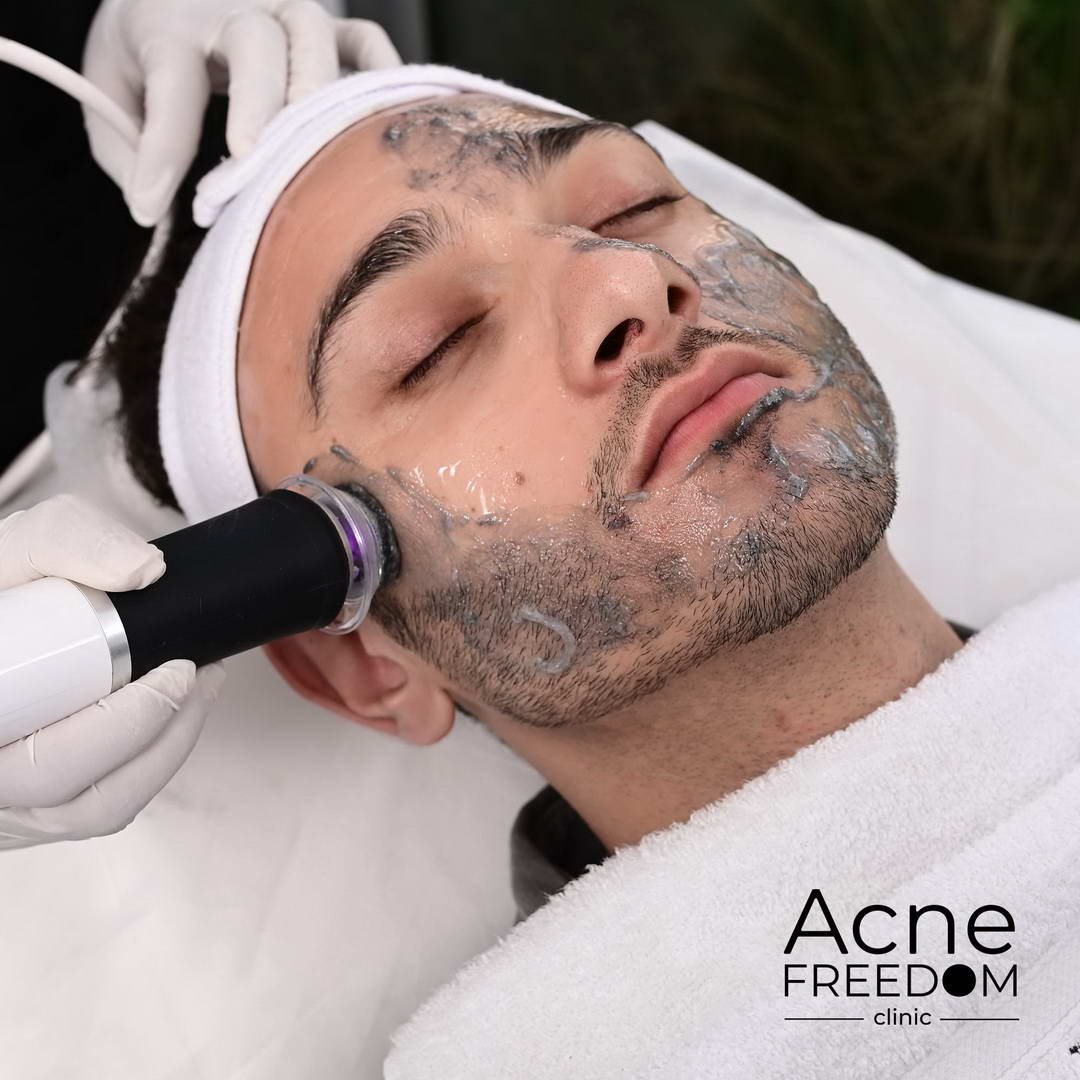
When suitable, we may combine home-care support with in-clinic options available within our practice ecosystem, such as the Acne Healing Facial for acne-prone skin, Photofacial Laser in selected cases, and laser-based options when acne scars become part of the concern. The Acne Freedom Program may also be considered when a more structured personalised plan is needed. The exact combination depends on what the skin needs at that stage, not on a fixed package approach.
What acne treatment options do we offer if benzoyl peroxide alone is not enough?
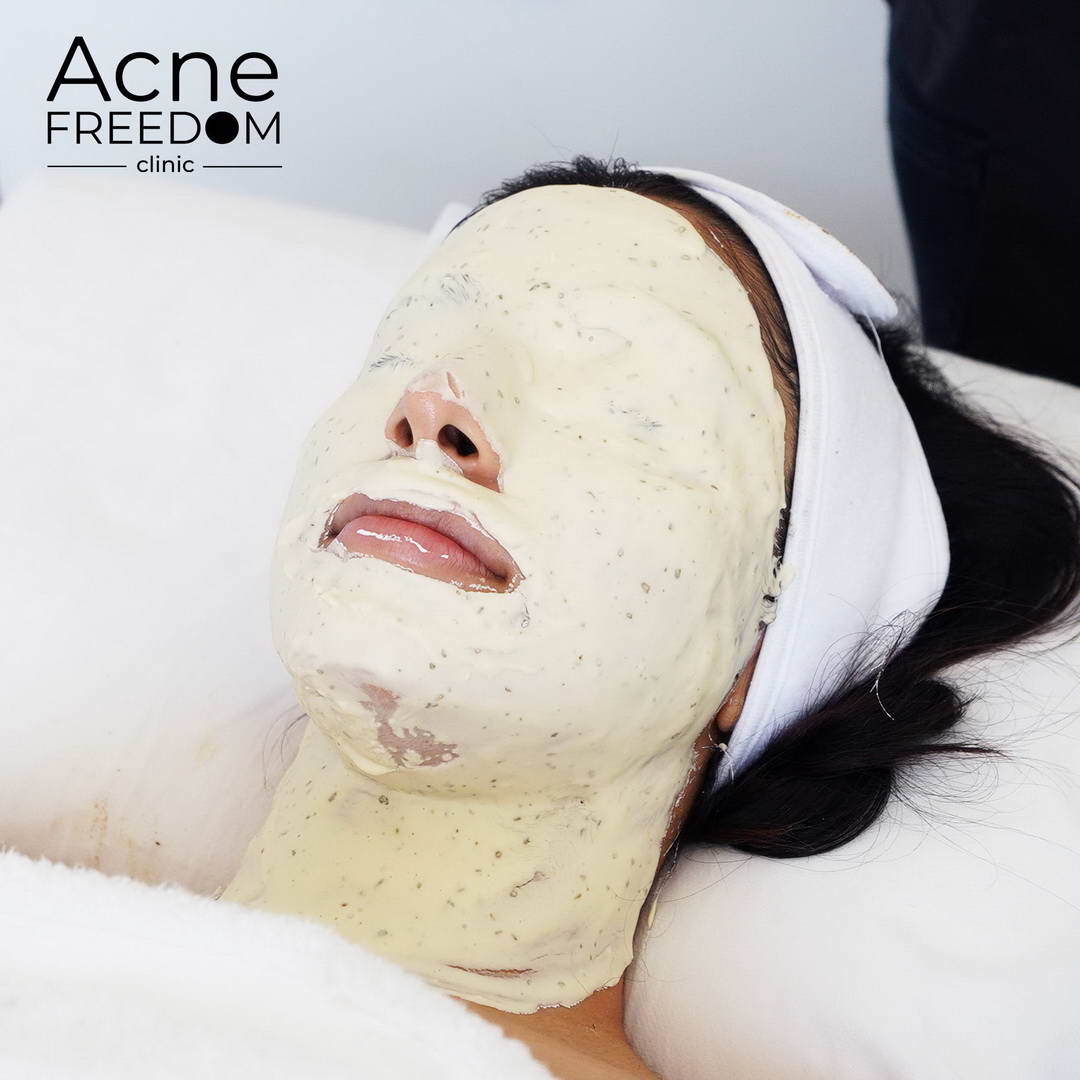
Acne Healing Facial
This may be considered where congestion, oiliness, and acne-prone skin need professional support alongside a home routine. It is not a replacement for medical assessment, but in selected patients it can be one part of a broader acne plan.
Acne Cleanser based protocols
Some patients do better with a structured daily regimen built around cleanser choice, moisturiser support, and carefully selected actives rather than aggressive layering. This is especially relevant when the skin is reactive.
Photofacial Laser
Photofacial-type support may be considered in selected acne pathways, particularly when inflammation, post-acne changes, or recovery support become part of the discussion. This is always case dependent and assessed in clinic.
Laser treatment options for acne scars
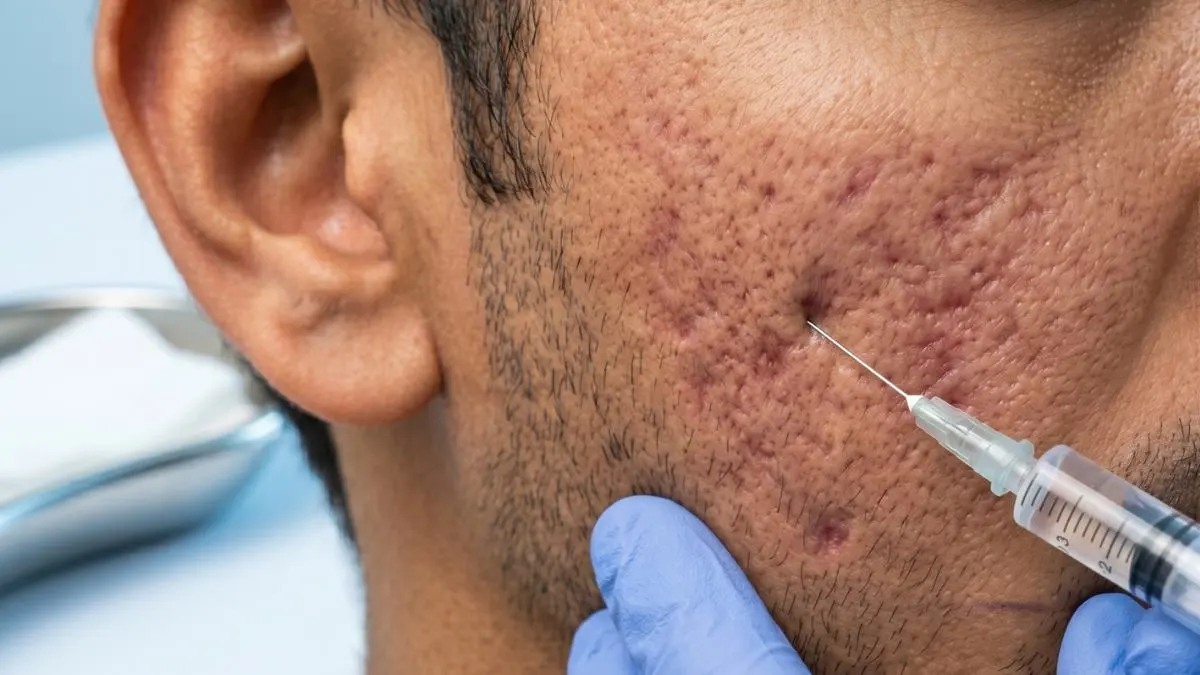
Once scarring becomes the bigger concern, treatment planning changes. Scar-focused laser options may be discussed after active acne is brought under better control, because scar treatment generally works best when fresh breakouts are not constantly restarting the cycle.
Personalised combination plans under dermatologist supervision
For many patients, the best results come from sequencing treatments properly rather than doing everything at once. That may mean calming active acne first, then addressing marks, then considering texture or scar work later.
FAQs about benzoyl peroxide for acne
Can benzoyl peroxide remove acne marks?
It mainly supports active acne, especially inflamed pimples. It is not the main treatment for post-acne pigmentation or textural scars, though better acne control may help reduce new marks from forming.
Is benzoyl peroxide good for hormonal acne?
It may help the inflammatory component of hormonal acne, but it does not address every driver behind hormonal flares. If acne clusters around the jawline, returns in cycles, or continues into adulthood, assessment is often useful.
Can I use benzoyl peroxide every day?
Some people can tolerate regular use, while others need a slower schedule. Because irritation is common, frequency should match skin tolerance rather than internet trends.[2,3]
Why is my skin getting dry after starting benzoyl peroxide?
Dryness and peeling are common adjustment issues with benzoyl peroxide. This does not always mean the ingredient is wrong, but it may mean the routine is too strong, the barrier needs support, or the product needs review.[2,3,4]
Can benzoyl peroxide be used with niacinamide or moisturiser?
Many patients use moisturiser support alongside acne actives. Combination routines should still be kept simple enough to avoid unnecessary irritation. The exact pairing is best decided in context of your full routine.
When should I stop benzoyl peroxide and book a clinic visit?
Book a review if your skin becomes very irritated, acne is worsening, scars are developing, or there is no worthwhile improvement after a reasonable trial. It is also sensible to book early if breakouts are affecting confidence, work, college, or social comfort.
References
- Reynolds RV, Yeung H, Cheng CE, et al. Guidelines of care for the management of acne vulgaris. J Am Acad Dermatol. 2024. URL https://pubmed.ncbi.nlm.nih.gov/38300170/
- National Institute for Health and Care Excellence. Acne vulgaris: management. 2021. URL https://www.nice.org.uk/guidance/ng198/chapter/recommendations
- NHS. Benzoyl peroxide: a medicine to treat acne. URL https://www.nhs.uk/medicines/benzoyl-peroxide/
- DermNet NZ. Benzoyl peroxide. URL https://dermnetnz.org/topics/benzoyl-peroxide
- Yang Z, et al. Topical benzoyl peroxide for acne. Cochrane Database Syst Rev. 2020. URL https://pubmed.ncbi.nlm.nih.gov/32175593/
MEDICALLY REVIEWED BY
Dr. Batul Patel (Dermatologist)
Medical Director – The Bombay Skin Clinic
Dr. Batul Patel is an award winning certified dermatologist, honoured as the “Dermatologist of the Year 2023” at the national level by The Economic Times. View profile