
MEDICALLY REVIEWED BY
Dr. Batul Patel (Dermatologist)
Medical Director – The Bombay Skin Clinic
Dr. Batul Patel is an award winning certified dermatologist, honoured as the “Dermatologist of the Year 2023” at the national level by The Economic Times. View profile
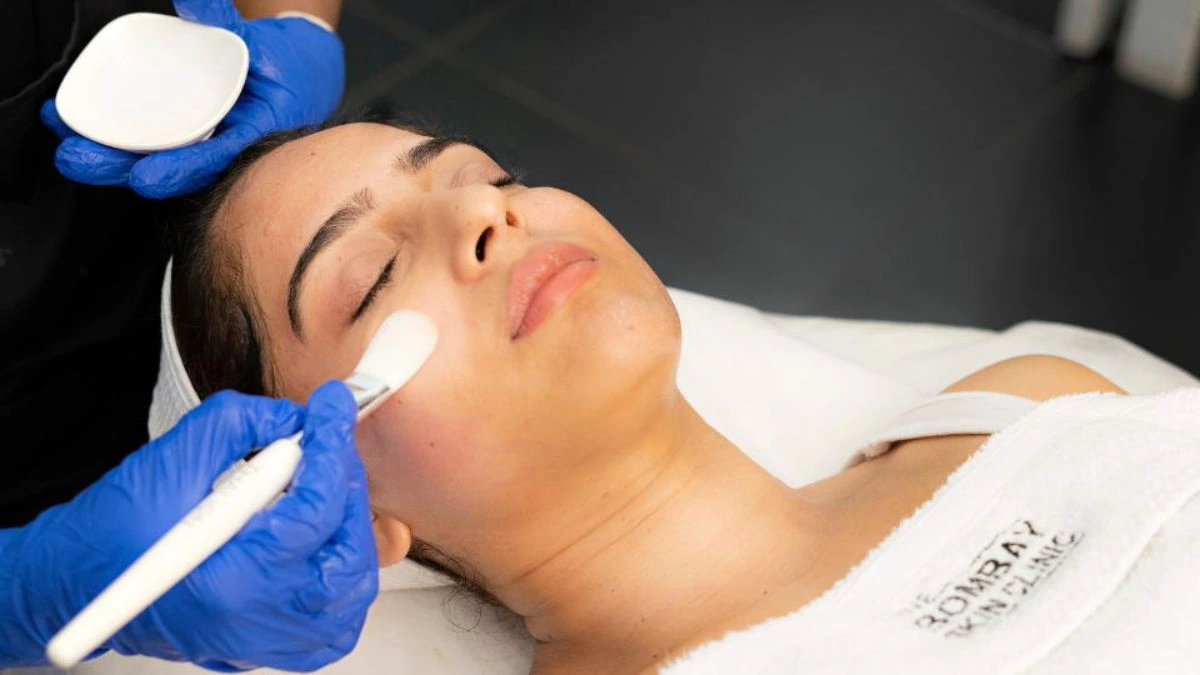
An acne facial is not the same as full acne treatment. It is an in-clinic, dermatologist supervised session that focuses on safe decongestion, calming, and barrier support.
In Mumbai, many facials are salon-based. At Acne Freedom Clinic, are doctor-planned. So all steps like cleansing and exfoliation are chosen based on your acne type, skin tone, and current sensitivity.
What is an acne facial treatment?
Acne often begins when pores clog with oil and dead skin cells, then inflammation follows. A medical acne facial targets congestion and irritation without aggressive scrubbing.
The goal is to unclog pores, reduce visible congestion, and help the skin barrier recover. For many patients, this makes it easier to follow a consistent home routine and any dermatologist advised acne plan, it is supportive care, not a stand-alone solution for every acne pattern.
Benefits and advantages
Why patients in Mumbai consider acne facials?
- Helps reduce blackheads and whiteheads by clearing pore congestion safely.
- Can calm skin during flare seasons, heat, humidity, pollution, and stress can all aggravate acne in Mumbai.
- May improve rough texture from congestion, which can make sunscreen and makeup sit better.
- Offers controlled exfoliation and calming steps when the skin barrier feels stressed.
- Can be combined with other clinic treatments as a supportive step, based on diagnosis.
What an acne facial can and cannot do?
An acne facial can help with congestion, surface oiliness, and short-term calming. It can also reduce the temptation to squeeze pimples at home, which is discouraged in public dermatology guidance due to the risk of scarring and infection.[2]
It cannot replace medical acne management for moderate to severe acne, acne that is leaving marks quickly, or acne linked to hormones or medicines. In those cases, a facial is usually an add-on to a structured plan decided after assessment.[1]
Who is a good candidate for acne facial treatment in Mumbai?
Best suited for
- Mostly blackheads, whiteheads, and bumpy texture from clogged pores.
- Mild acne with occasional inflamed pimples, when skin is not highly irritated.
- Oily or combination skin that feels congested in Mumbai humidity.
- People who want supervised clean-up to avoid DIY extraction and harsh scrubs.
- Patients already on a dermatologist guided plan who need supportive maintenance.
Not ideal for, when we postpone, refer, or switch plans
- Very painful cystic acne, rapidly spreading acne, or acne that is scarring quickly, these usually need medical management first.[1]
- Active skin infection, cold sores near the area, or unexplained rashes.
- Severely irritated, peeling, or sensitised skin (often from overuse of actives).
- Recent sunburn or recent aggressive procedures where the barrier needs recovery.
- History of severe post-inflammatory hyperpigmentation (PIH) or keloids, where we need extra caution.
Special situations, active pimples vs blackheads, acne marks, sensitive skin, teenage acne, adult acne
If you have mostly blackheads and whiteheads, a decongesting facial with careful extraction may help. If you have many active inflamed pimples, we often prioritise calming and barrier support first, and keep extraction minimal to reduce irritation and PIH risk.
Acne marks are not the same as acne. Marks can fade, but they need time and a pigment-safe plan. For sensitive skin and teenage acne, we keep protocols gentle and simple. For adult acne, we also look for triggers like stress, cosmetics, hair products, and possible hormonal patterns, then decide whether facials are supportive or whether medical acne treatment is the priority.[1]
Types of acne facial treatments we may use (dermatologist supervised)
Deep pore cleansing and comedone extraction
This is a medical version of an acne clean-up. We soften congestion, use controlled technique, and avoid over-extraction. The aim is improvement without unnecessary trauma, which can trigger marks in melanin rich skin.
Salicylic acid based acne facial and acne clean-up options
Salicylic acid is oil soluble, so it is commonly used in acne prone skin. In clinic facials, it may be used in controlled formulations as part of exfoliation and decongestion. Evidence for chemical peels suggests benefit in mild to moderate acne, but studies vary and results depend on patient selection and regimen.[3]
Chemical peels for acne and acne marks
A peel is more “treatment-like” than a typical facial because it uses a defined acid strength to create controlled exfoliation. Peels can support acne control and help with acne marks in selected patients, but they need careful skin tone assessment and timing.[3]
Hydrafacial type treatments for oily, congested skin, who it may suit, who it may not
Hydrafacial type treatments combine cleansing, gentle exfoliation, suction based decongestion, and serum infusion. They may suit oily yet dehydrated skin when you want minimal downtime. They are usually not ideal during painful cystic flares, and suction settings need to be conservative in sensitive skin.
LED light based support
Blue and red light have been studied for acne because light can affect acne-related bacteria and inflammation. Systematic reviews suggest that blue light can reduce acne lesions for some patients, but the quality of evidence varies, and results can be inconsistent across devices and protocols.[4]
We position LED as supportive care, not a replacement for medical acne management when acne is moderate to severe.[1]
Add-ons that may be considered after assessment
If texture, early scarring, or persistent marks are a concern, we may discuss add-ons once active acne is stable enough. The priority is to reduce inflammation first and avoid procedures that can worsen irritation or pigmentation.
To personalise care at Acne Freedom Clinic, we may integrate a small set of signature facials depending on your skin’s current needs:
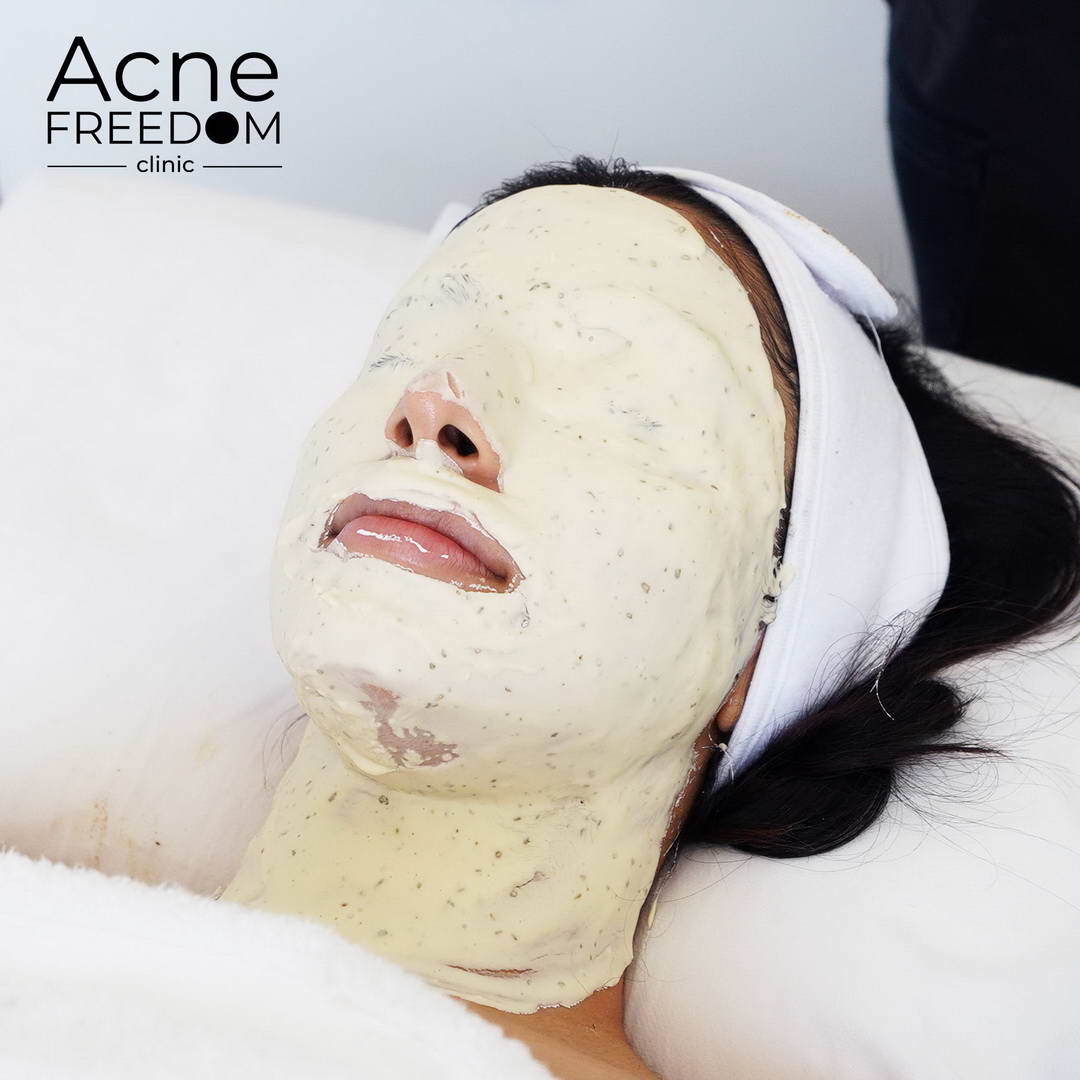
- The Bombay Oxygeneo Bamboo Charcoal Facial, considered when we want gentle exfoliation and decongestion with a comfortable, no-downtime approach.
- The Bombay Oxygeneo Spirulina Hydrating Facial, considered when acne prone skin is also dehydrated or barrier stressed.
- Acne Healing Facial, a calming focused session when the priority is comfort and barrier support.
- The Bombay Light Glow Treatment, a blue light activated supportive protocol that may suit selected acne patterns as an adjunct option.[4]
- Acne Recovery Oxygen Dome, used when we want a low irritation, comfort first approach to stressed skin.
- The Bombay Superjet Facial, a needle-free infusion style facial used when we want hydration and barrier support without heavy friction.
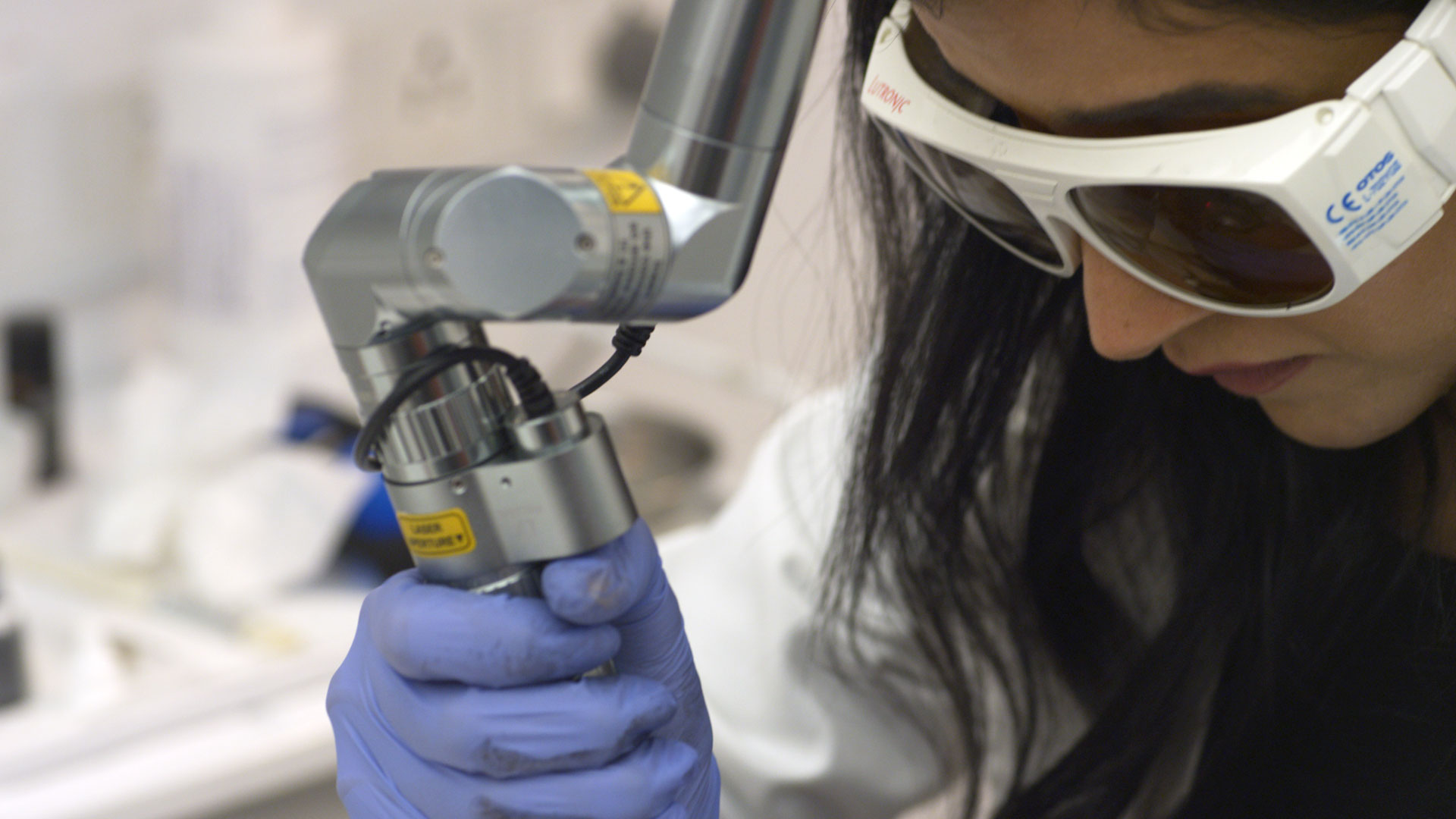
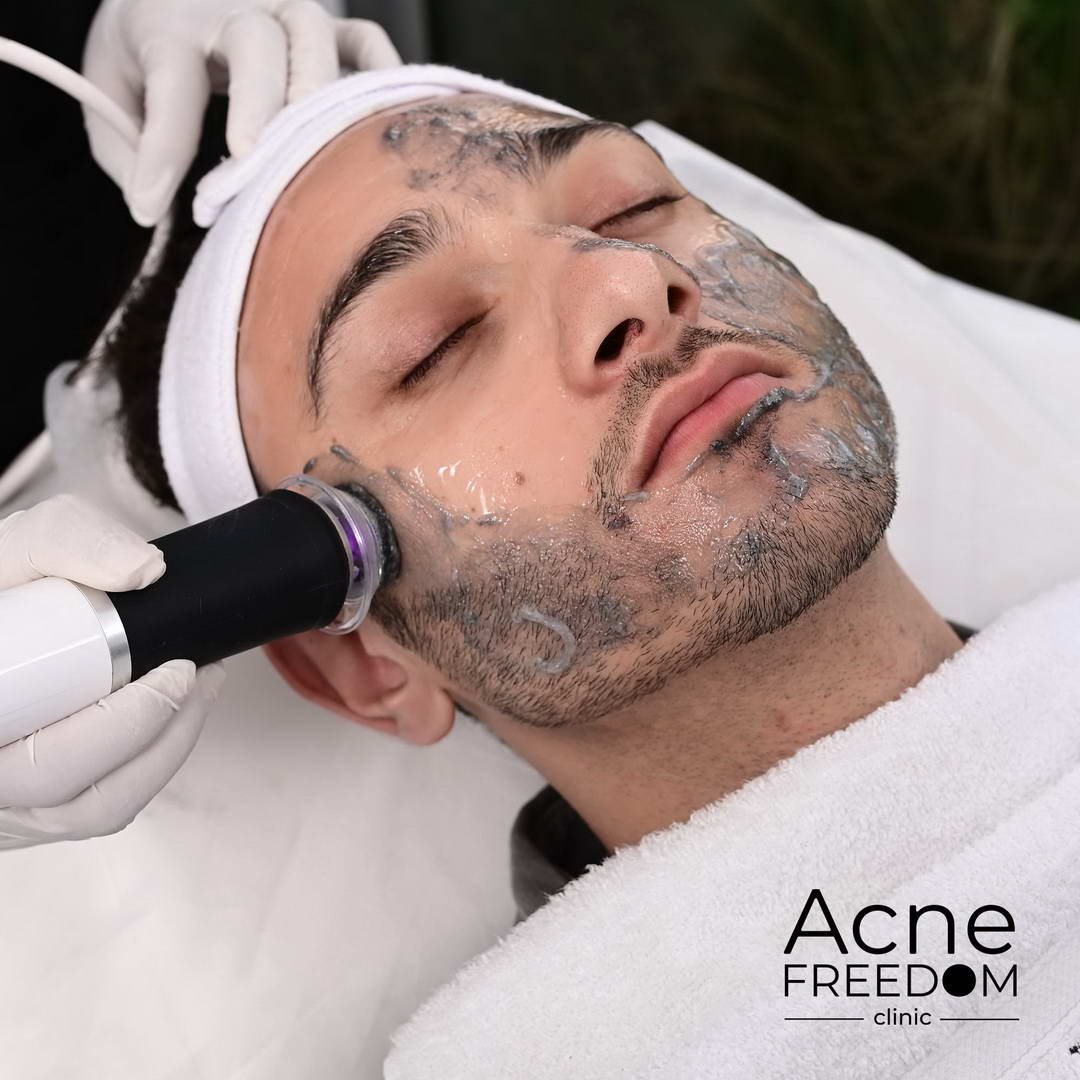
- The Bombay Hollywood Laser Facial, a carbon peel based laser facial that may be considered for oily, congested skin and uneven tone, after assessment.
How an acne facial works?
Oil, clogged pores, bacteria, inflammation, and barrier disruption
Acne is not only “dirty skin”. It involves excess oil production, clogged pores, changes in the skin’s microbiome, and inflammation. Over-cleansing and harsh scrubbing can strip the barrier and worsen breakouts.
Modern acne guidance emphasises using combinations of evidence-based therapies and avoiding unnecessary irritation.[1]
What each step is trying to achieve?
- Cleanse: remove surface oil, sweat, sunscreen, and pollution residue without stripping.
- Exfoliate: loosen dead skin build-up so pore plugs lift more easily.
- Extract (when appropriate): remove comedones gently, without squeezing or digging.
- Calm: reduce redness and discomfort, support barrier recovery.
- Protect: reinforce sunscreen use to reduce PIH risk.
Why “gentle” technique matters in Indian skin tones?
In melanin rich skin, inflammation and trauma can lead to PIH, which often appears as brown marks after acne heals. That is why we keep extraction conservative and plan exfoliation carefully. If you are prone to marks, gradual progress is usually safer.
Safety and contraindications
When we avoid extractions or peels?
- When acne is very inflamed, tender, or cystic, to avoid worsening inflammation and marks.[1]
- When skin is severely sensitised from overuse of actives or recent aggressive procedures.
- When there is active infection, open wounds, or suspected dermatitis.
- When you recently had significant sun exposure or sunburn.
- When you have a strong history of PIH or keloids and the risk outweighs benefit.
Infection control, hygiene protocol, and device safety standards (clinic process)
Hygiene and technique matter, especially with extraction. Across our Mumbai clinics (Kemps Corner, Bandra, Andheri, and Chembur), protocols include strict sterilisation of reusable instruments, single-use consumables where appropriate, and careful skin preparation before any extraction.
Pregnancy, breastfeeding, isotretinoin history, eczema, rosacea, active skin infection (bullets)
- Pregnancy or breastfeeding: we avoid certain acids and keep care conservative, suitability is decided after review.
- Isotretinoin history: tell us if you are currently on it or used it recently, because it can affect sensitivity and healing.[1]
- Eczema or rosacea: we prioritise barrier support and avoid trigger-prone steps.
- Active infection: we postpone and treat the infection first.
Acne facial vs other acne treatments
Acne facial vs chemical peel for acne
An acne facial is primarily decongesting and calming. A chemical peel is more targeted controlled exfoliation. If you have comedonal acne with dullness and early marks, peels can be useful in selected patients, but they need careful planning.[3] If you have sensitive, reactive skin, a gentler facial may be the safer starting point.
Acne facial vs hydrafacial for acne prone skin
Hydrafacial type treatments focus on suction based decongestion and hydration, which can suit oily yet dehydrated skin. During active inflamed acne, suction and friction must be conservative. A dermatologist supervised plan decides what is suitable for your current acne phase.
Acne facial vs at-home “cleanup” kits and salon facials
DIY extraction and salon acne facials can involve strong scrubs, steam, or squeezing, which can worsen inflammation and marks. Public dermatology guidance advises not to squeeze pimples due to scarring risk.[2] In-clinic care focuses on diagnosis, controlled technique, and safer choices for Indian skin tones.
Acne facial vs lasers and energy devices
Laser and energy devices can help selected concerns like persistent oiliness, texture, or marks, but they are not the first step for everyone. Photodynamic and light based approaches can be supportive in selected cases, but evidence and tolerability vary, so they are planned carefully.[5]
Indicative pricing at Acne Freedom Clinic
Indicative pricing for medical acne facials in our Mumbai clinics starts from ₹4000. More device assisted or multi-step protocols are priced higher per session. This is indicative only, and the exact plan is confirmed after assessment.
How to plan value, packages vs single sessions, who should avoid bundles
Packages can make sense when congestion is predictable and you tolerate the first session well. If your acne pattern fluctuates, for example hormonal flares or very sensitive skin, single sessions with reassessment may be a better fit.
FAQs
Do acne facials help active pimples, or only blackheads and whiteheads?
They help most reliably with blackheads and whiteheads. With active pimples, we usually keep extraction minimal and prioritise calming. If acne is widespread and inflamed, medical management is usually the priority.[1]
Will an acne facial cause purging?
Some people notice small breakouts after a session, especially if they had many microclogs. Purging usually stays in your usual acne zones. If you feel burning or see redness in unusual areas, that suggests irritation, and the plan should be adjusted.
How many sessions do I need for acne facial treatment in Mumbai?
Many patients start with 1 to 3 sessions spaced 2 to 4 weeks apart. If you have moderate congestion, a short course of 3 to 6 sessions may help, with reassessment each time. If acne is moderate to severe, facials are usually supportive within a broader plan.[1]
Can acne facials help acne marks and pigmentation?
They can support overall texture and tone, but marks need time and often targeted treatments. Chemical peels can help selected patients, but evidence varies and the plan must be personalised to your skin tone and PIH tendency.[3]
Is acne facial safe for sensitive skin or dark skin tones?
It can be safe when the approach is gentle and conservative. Sensitive skin usually needs fewer actives and minimal extraction. In darker skin tones, we are careful with friction and aggressive peels because irritation can increase PIH risk.
What should I do if acne keeps coming back after facials?
Recurring acne suggests an underlying trigger or pattern that needs medical management. Guidelines highlight tailoring treatment to severity and often using combinations for better control.[1] Facials may still help as supportive maintenance, but they are not the main solution.
Sources
- Reynolds RV, et al. Guidelines of care for the management of acne vulgaris. Journal of the American Academy of Dermatology. 2024. https://pubmed.ncbi.nlm.nih.gov/38300170/
- Indian Association of Dermatologists, Venereologists and Leprologists (IADVL). Acne (Public Information). https://public.iadvl.org/acne
- Chen X, et al. Chemical peels for acne vulgaris: a systematic review of randomised controlled trials. BMJ Open. 2018. https://pubmed.ncbi.nlm.nih.gov/29705755/
- Diogo MLG, et al. Effect of Blue Light on Acne Vulgaris: A Systematic Review. Sensors. 2021. https://www.mdpi.com/1424-8220/21/20/6943
- Qureshi S, et al. Photodynamic Therapy in Acne Vulgaris: A Systematic Review. Journal of Cutaneous Medicine and Surgery. 2025. https://journals.sagepub.com/doi/10.1177/12034754241291031
MEDICALLY REVIEWED BY
Dr. Batul Patel (Dermatologist)
Medical Director – The Bombay Skin Clinic
Dr. Batul Patel is an award winning certified dermatologist, honoured as the “Dermatologist of the Year 2023” at the national level by The Economic Times. View profile